
Key facts
- Alibaba warned the new rules could affect some of its global data center expansion plans1
- Alibaba announced another quarter of strong revenue growth for its global AI cloud and compute services on Thursday.1
- Analysts expect the U.S. will step up its chip export control policies against China after Huang’s relationship with Alice Huang raised U.S. national security concerns1
Chinese technology firms are bracing for impacts on their ambitious artificial intelligence plans as the U.S. tightens restrictions on China’s access to the world’s cutting-edge chips.1
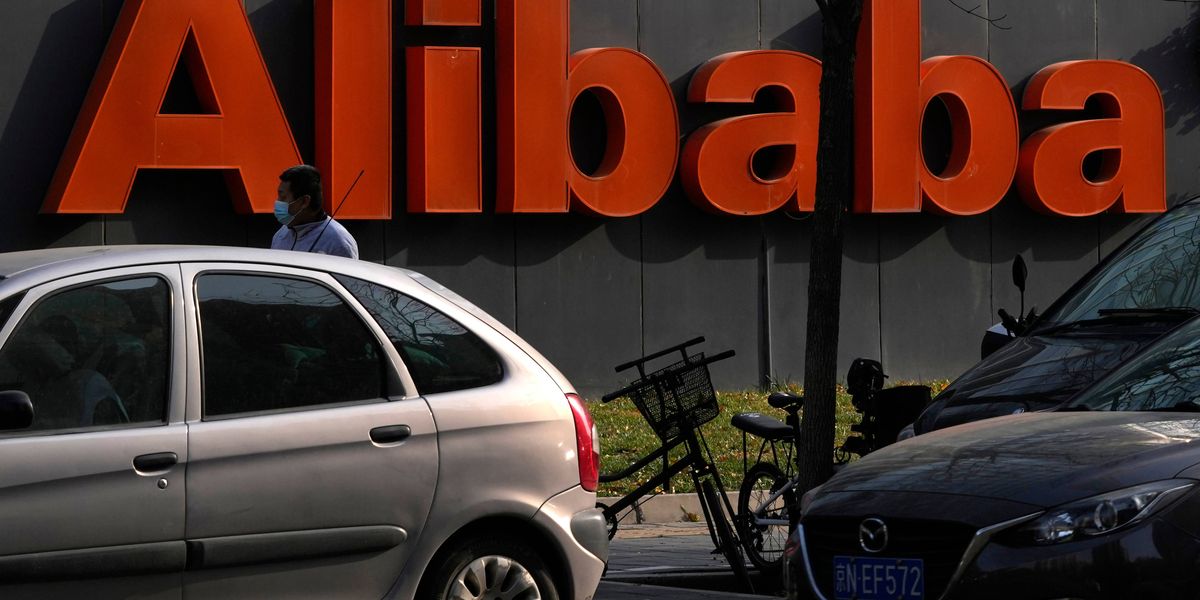
Alibaba, which on Thursday announced another quarter of strong revenue growth for its global AI cloud and compute services, warned that the new U.S. rules could affect some of its global data center expansion plans.1
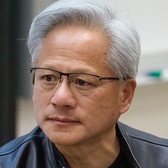
The Trump administration this week issued new rules in the wake of Nvidia CEO Jensen Huang’s resignation, following the news that he’d had an extramarital affair with a woman alleged to be a Chinese spy.1
The rules now restrict remote computing access through data centers in third countries, the latest U.S. move to curtail China’s abilities to use advanced Nvidia chips to train its increasingly capable AI models.1
Alibaba’s AI Revenues Surge
As the technology race between the two superpowers intensifies, existing U.S. export restrictions already barred China from getting the world’s most powerful chips.1
But some Chinese companies have been able to bypass those restrictions by renting remote computing access to train AI models, pushing the U.S. to close what some policymakers called a loophole.1
As global AI usage grows, Alibaba has been expanding its capabilities across chips, cloud infrastructure and AI models.1
In September, Alibaba’s CEO called its new Zhenwu V900 chip the “most powerful” AI chip in China, while it announced massive data center investment plans in China and abroad.1
Alibaba Cloud’s AI-related revenue currently comes significantly from China and there’s still a lot of “untapped demand” from Chinese enterprises, said Jacob Cooke of the Beijing-based consultancy WPIC Marketing + Technologies.1
For the latest July-September quarter, Alibaba reported a 53% year-on-year revenue surge for its AI cloud and compute services to nearly 61 billion yuan ($9 billion).1
Total revenue for the quarter rose 10% from the year before to almost 272 billion yuan ($41 billion), slightly better than what analysts had expected.1
While the company has a strong cash buffer, capital expenditures jumped 60% during the quarter to 50.5 billion yuan ($7.6 billion) thanks to its increased spending on AI infrastructure buildout.1
Tencent Warns of Setback
Tencent says US chip curb ‘sets everyone back in China’ Chinese tech giant Tencent on Wednesday said the new U.S. rule on chip access “sets everyone back in China.”1
Tencent President Martin Lau said training timelines for Tencent’s next versions of its AI models would probably be impacted.1
James Chai, a researcher at the ISEAS – Yusof Ishak Institute in Singapore, with new U.S. rules on remote access cutting off a huge portion of Chinese firms’ access to compute, said, “Chinese AI firms are still heavily dependent on the most frontier Nvidia chips.”1
A study released in October by the Institute for Progress estimated that remote access to AI chips through overseas data centers could account for roughly one-third of China’s AI compute by the end of 2027.1
Nvidia, meanwhile, said it is now “no longer shipping” chips including the H200, one of its more powerful chips, though not the most advanced, although the Trump administration greenlighted some sales to China.1
Analysts expect the U.S. will step up its chip export control policies against China after Huang’s relationship with Alice Huang, a former senior executive of Singapore-based cloud computing company Megaspeed, raised U.S. national security concerns.1